In a nutshell
- ⚡ Acts fast: baking soda (sodium bicarbonate) lifts stains in ~2 minutes via mild alkalinity (pH ~8.3), gentle micro-abrasion, and optional CO₂ fizz with vinegar to mechanically loosen grime.
- 🧽 Simple two-minute method: apply a 3:1 paste (bicarb:water), wait 60–90 seconds, then scrub 20–40 seconds and rinse; heat (warm water) and light circular motion boost results without scratching.
- 🧪 Versatile on everyday messes: tea-stained mugs, stainless sinks/hobs, bathroom grout, trainers’ soles, and plastics; deodorises and removes film when used as a thin paste or dry sprinkle.
- 🚫 Know the limits: avoid long wet contact on aluminium, be gentle with acrylic/non-stick, and take care on natural stone; never mix vinegar with bleach; for protein, dye, resin or tar stains, use enzymes, oxygen bleach, or solvents first.
- 💡 Practical wins: low-cost, low-risk cleaning that neutralises odours, brightens surfaces, and saves time—just test first, use a light touch, and dry metals to prevent spots.
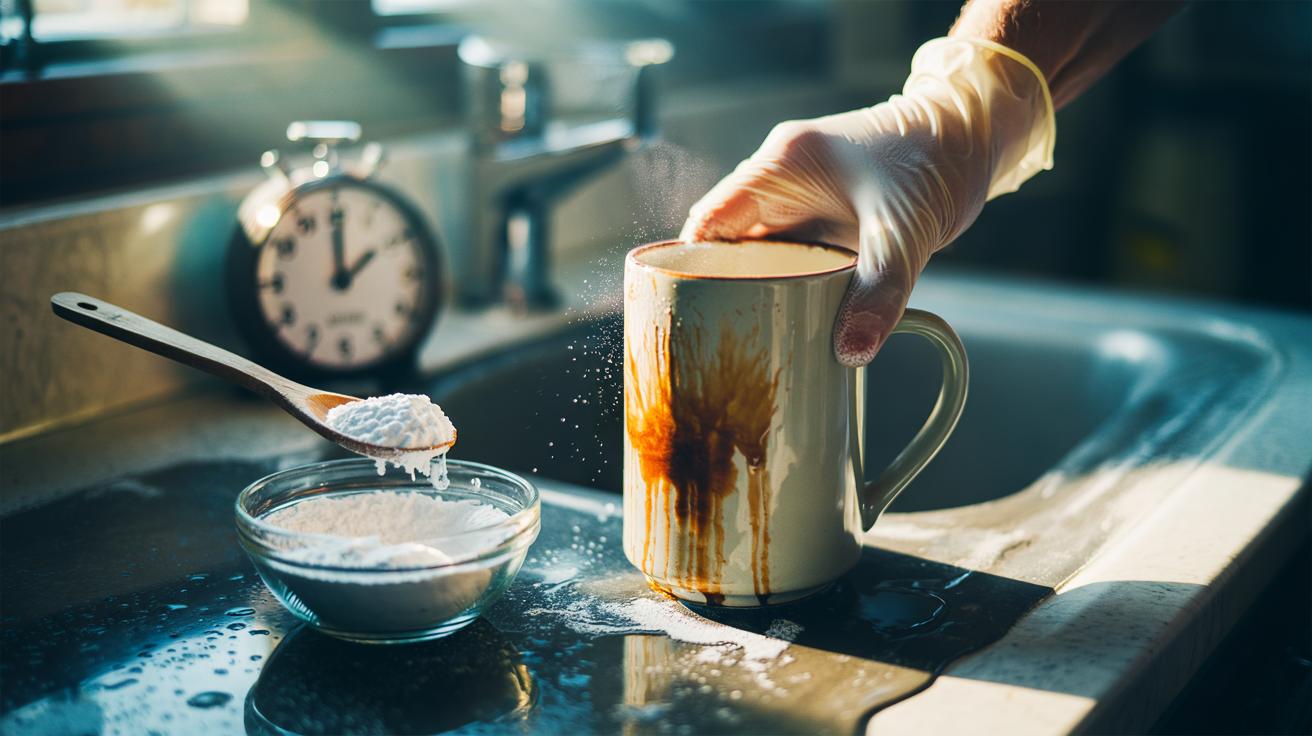
From tea-stained mugs to muddy trainers, the quiet hero in countless British cupboards is the humble tub of baking soda. Also known as sodium bicarbonate, it works fast, costs pennies, and rarely asks for fancy kit. Two minutes is often enough to loosen fresh grime, neutralise odours, and lift stubborn residues that soaps leave behind. Why so quick? A blend of mild alkalinity, gentle abrasion, and smart chemistry. No harsh fumes, no scratched surfaces when used properly. Keep a small jar by the sink and you’ll reach for it more than you expect. Here’s how—and why—it acts like a miracle cleaner in just a couple of minutes.
How Baking Soda Breaks Down Stains in Two Minutes
Your stains are chemical stories. Many are acidic—coffee, tomato, wine, limescale. NaHCO₃ brings a mild alkaline push (pH about 8.3), nudging those acids toward neutral and loosening their grip on surfaces. It also acts as a buffer, so the pH doesn’t swing wildly, which means speed without drama. Those soft, crystalline particles? They’re a micro-abrasive with a Mohs hardness around 2.5, tough enough to scuff away film yet gentle on ceramic, glass, enamel, and most plastics.
There’s more. The powder’s porous structure adsorbs oily residues that make dirt cling, while a little moisture turns the crystals into a slick paste that increases contact and spreads the work. Add a spritz of acid—lemon juice or vinegar on selected surfaces—and you’ll see a quick fizz as carbon dioxide forms, mechanically lifting grime. Used correctly, the reaction is controlled and swift. That’s why tea rings, tannin shadows, and grey soap scum often surrender in under two minutes. A light rub, a short wait, and the stain’s bond begins to fail.
Timing matters. Fresh stains respond fastest. On bathroom grout or hob splatters, you’ll see visible brightening after a 90-second sit and a 30-second scrub. For cookware with baked-on bits, the two-minute window softens the top layer so a sponge takes it off cleanly. Speed comes from synergy: soft abrasion, pH shift, and physical lift, all working while you count to 120.
The Two-Minute Method: Ratios, Tools, and Surfaces
Think simple. You need 3 parts baking soda to 1 part water for a spreadable paste, a soft sponge or cloth, and optional white vinegar for selected mineral stains. Step one: blot or rinse loose debris. Step two: apply paste, no more than a 2–3 mm layer. Step three: wait 60–90 seconds. Step four: agitate for 20–40 seconds in small circles. Step five: rinse or wipe clean and dry. Stop if colour transfers to your cloth—test first on an inconspicuous patch. On mugs, sinks, hobs, trainers’ soles, and lunch boxes, this sequence is startlingly effective.
Use this quick-reference table to match method to material:
| Surface/Item | Mix Ratio | Contact Time | Notes |
|---|---|---|---|
| Tea-stained mugs | Dry sprinkle + damp sponge | 60–90s | Light circles; rinse well |
| Stainless hobs/sinks | 3:1 paste | 90s | Wipe with grain; dry to avoid spots |
| Grout (soap scum) | 3:1 paste | 2 min | Soft brush; optional vinegar mist for limescale |
| Trainers/white soles | Thick paste | 2 min | Toothbrush scrub; wipe residue |
| Lunch boxes | Slurry rinse | 60s | Deodorises plastics; avoid scratching clear acrylic |
| Fabric spot pre-treat | Thin paste | 2 min | Patch test; dab, don’t grind fibres |
Two tricks amplify results. First, heat boosts kinetics: use warm (not hot) water on cookware or ceramic but keep it cool on blood or dairy stains. Second, motion matters: a short, gentle scrub renews contact between fresh crystals and the stain’s surface. Don’t overwork; the paste should glide, not gouge. Finish by drying thoroughly—especially on metal—to prevent water spotting. Rinse skin after use; the mild alkalinity can feel drying.
Safety, Limits, and When It Won’t Work
Baking soda is low-risk, but not magic. Avoid long contact on aluminium; it can darken or pit if neglected wet. Skip abrasive scrubbing on high-gloss acrylics and certain non-stick coatings that scratch easily. For natural stone like marble or limestone, use paste sparingly and rinse quickly—better yet, choose a stone-safe cleaner and save the vinegar fizz for ceramic and glass. Never mix random chemicals: vinegar and bleach create toxic fumes; stick to single-step methods, rinsing thoroughly before switching products.
Textiles need care. On wool or silk, abrasion can fuzz fibres. Tackle oily stains with a dry sprinkle, press gently to absorb, then shake out before a proper wash. For set-in dyes, berry blasts, or turmeric hues, a two-minute bicarb blitz may only fade the edges; you’ll need oxygen bleach (sodium percarbonate) or targeted enzyme cleaners for protein-based messes like blood and milk. Sticky resins, tar, or paint require a solvent first; the soda comes in as a safe post-clean polish.
Manage expectations on odours. Baking soda neutralises acidic smells and adsorbs some volatile compounds, yet deep upholstery needs dwell time measured in hours. Sprinkle, leave, then vacuum. In drains, a soda-and-hot-water flush cleans film; pair with a vinegar fizz for mineral crusts only after ensuring no bleach is present. The rule is simple: gentle, short, and focused beats aggressive scrubbing. Used that way, two minutes is enough for most everyday stains, preserving surfaces and your patience alike.
Baking soda earns its reputation because it does three jobs at once—neutralises, lifts, polishes—without the price or risks of harsher chemistry. Keep a small pot near the sink, a brush by the grout, and a dry sprinkle ready for carpets and trainers. The two-minute routine becomes second nature, saving time on the jobs you used to dread. Test first, rinse well, and let the crystals do the quiet work. Which stubborn stain in your home are you most eager to challenge with this quick, science-backed method?
Did you like it?4.4/5 (29)