In a nutshell
- 🌱 Overnight boost: coffee grounds stimulate microbial activity, delivering a small, rapid nutrient pulse (approx. NPK ~2-0.3-0.3) and better moisture retention by morning.
- ☕ Application that works: use thin layers (3–5 mm), evening watering, or a strained grounds tea (1 cup per 5 L, 12–24 h); avoid thick mats and consider compost first for sensitive areas.
- 🌸 Right plants, right way: benefit leafy greens, roses, and gentle acid lovers (camellias, blueberries); avoid fresh grounds on seedlings, succulents, and Mediterranean herbs; watch for mild allelopathy.
- ♻️ Sustainability and safety: divert café waste, dry and store grounds, balance with browns in compost, and prioritise pet safety (dogs are sensitive to caffeine).
- 🧪 Realistic gains: expect improved turgor and leaf colour overnight, while remembering grounds are a supplement—not a replacement—for balanced fertilisers and good soil structure.
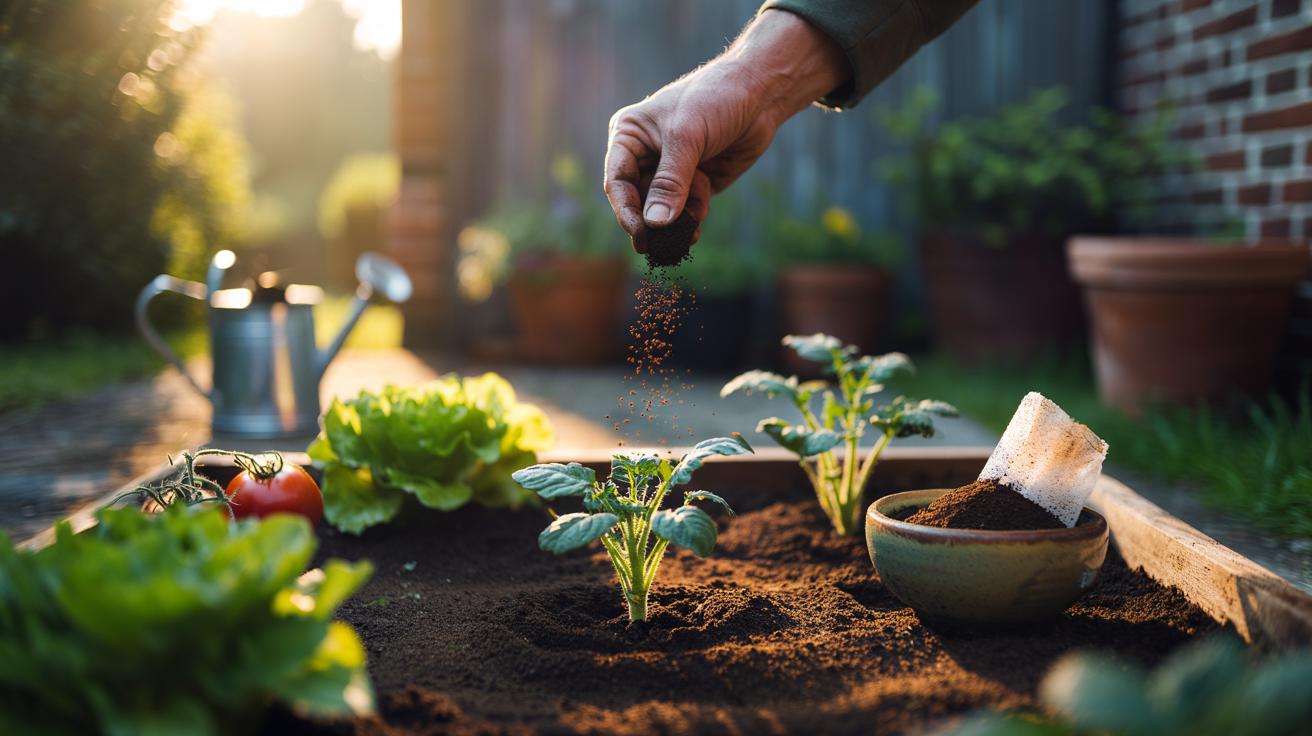
What if last night’s espresso could power this morning’s tomatoes? Gardeners across the UK are quietly repurposing spent coffee grounds to spark a fast, visible lift in plant vigour. The trick isn’t magic. It’s biology. As dusk falls, soil microbes clock in for a night shift, turning aromatic remnants into plant-ready nutrients and moisture-holding organic matter. Used correctly, coffee grounds can deliver a gentle nutrient pulse, boost microbial life, and improve texture by morning. Applied thinly, they avoid the common pitfalls of matting, hydrophobic crusting, and seedling stress. Here’s how to turn café waste into quiet, overnight growth—reliably, safely, and with a journalist’s eye for evidence.
How Coffee Grounds Feed Soil Life Overnight
Spent grounds carry a modest but meaningful nutrient profile: typically NPK ~2-0.3-0.3. That translates into roughly 2% nitrogen by weight, plus trace phosphorus, potassium, magnesium, and calcium. Most nitrogen is slow-release, bound in organic compounds that microbes unlock over days and weeks. Yet a small fraction of soluble minerals moves sooner, especially when grounds are dampened and covered lightly. This is where the “overnight effect” emerges—microbial respiration accelerates in warm, moist conditions after dusk, nudging an early trickle of available nutrients to thirsty roots.
Structure matters as much as chemistry. Finely milled, grounds intermix with topsoil to increase water retention and reduce evaporative loss, particularly helpful in containers or sandy beds. They also contribute a carbon-to-nitrogen ratio around 20:1, a sweet spot for microbial activity. In practice, a light sprinkle on the surface, watered in at twilight, can prime a plant for crisper turgor and richer leaf colour by morning. For a faster nudge, gardeners steep a quick “grounds tea” that carries soluble potassium and magnesium into the root zone. The rest, locked in fibres, continues feeding the soil web long after sunrise.
Best Practices for Applying Coffee Grounds
Never heap thick mats of coffee grounds; they can repel water and starve roots of oxygen. Aim for a dusting—3 to 5 millimetres—raked into the top couple of centimetres of soil. Water immediately. For containers, mix no more than 10% grounds by volume into potting media to avoid compaction. Where seedlings are present, either compost the grounds first or keep them at the dripline, not on delicate stems. Used grounds are usually near-neutral pH (about 6.5–6.8), so they won’t acidify soil dramatically; acid lovers benefit more from improved moisture and slow-release nitrogen than from pH shifts.
| Method | Amount / Dilution | Timing | Overnight Impact | Main Risk |
|---|---|---|---|---|
| Thin surface sprinkle | 3–5 mm layer | Evening | Small nutrient pulse, better moisture | Hydrophobic crust if too thick |
| Grounds tea (steeped) | 1 cup grounds per 5 litres water, 12–24 h | Evening drench | Quick access to soluble K, Mg | Odour if anaerobic; strain before use |
| Compost first | Up to 20% of compost mix | Apply mature compost anytime | Broad, steady fertility | Slow response; needs time |
To prevent mouldy clumps, dry surplus grounds on a tray before storage. Rotate locations to avoid build-up. When in doubt, composting first is the safest route, turning café waste into a stable, crumbly feed that plants adore. For a rapid boost, the diluted tea—strained and applied at dusk—offers the cleanest overnight pick‑me‑up.
Which Plants Benefit, and Which Don’t
Leafy crops and hungry ornamentals shine with careful use. Think brassicas, spinach, lettuce, roses, and container-grown annuals that appreciate steady moisture. Shrubs that prefer slightly acidic conditions—camellias, azaleas, and blueberries—also respond, not because grounds radically lower pH, but because the soil stays cooler and evenly damp. Mixing grounds into compost before bed preparation widens the benefit, making almost any planting more forgiving in dry spells.
Some plants, however, dislike fresh grounds right on their crowns or seed lines. Seedlings of herbs and salad leaves can stall if coated, and a thick carpet may inhibit germination—an allelopathic “do not disturb” signal from residual compounds including caffeine. Succulents and Mediterranean herbs such as rosemary, thyme, and lavender prefer lean, fast-draining media; avoid ground-heavy mixes here. Tomatoes and peppers tolerate modest use but may sulk if potting soil is over-enriched or compacted. The easy rule? Use sparingly on the surface for established plants; compost first for anything fussy, new, or drought-adapted. Test a small area and observe within 48 hours—plants will tell you quickly if you’ve gone too far.
Sustainability and Safety Considerations
There’s a satisfying circularity to rescuing café waste. In the UK alone, millions of kilos of grounds head for bins each week; diverting them into gardens cuts emissions and adds value where it counts—your soil. Pick up spent grounds from local baristas, or save your own, paper filters and all. Dry them lightly to fend off anaerobic odours, then store in a ventilated tub. Don’t panic at white fuzz: it’s usually beneficial fungal mycelium. The real safety watch-outs are pets and portions. Dogs are sensitive to caffeine; keep fresh piles out of reach and use common sense indoors.
From a soil-health perspective, moderation wins. Alternate grounds with brown materials (shredded leaves, cardboard) in compost to maintain airflow and a balanced carbon-to-nitrogen blend. Rinse espresso pucks before use if you worry about residual acidity, though most used grounds are already close to neutral. If your soil tests show high potassium, favour the composted route rather than frequent teas. And always prioritise texture: a friable, well-aerated bed beats any single input. With these habits, you’ll convert a daily habit into a quiet, nightly ally for growth.
Used wisely, coffee grounds are a nimble tool: a small evening sprinkle, a strained tea, or a scoop into compost that pays dividends for months. They won’t replace balanced fertilisers or patient husbandry, but they accelerate what good soils do naturally. Thin layers, good watering, and steady observation turn yesterday’s brew into tonight’s nutrient bridge. As you experiment—plot by plot, plant by plant—what overnight changes do you notice in leaf colour, turgor, and morning perkiness, and how might you refine your routine to capture that lift without overdoing it?
Did you like it?4.4/5 (24)